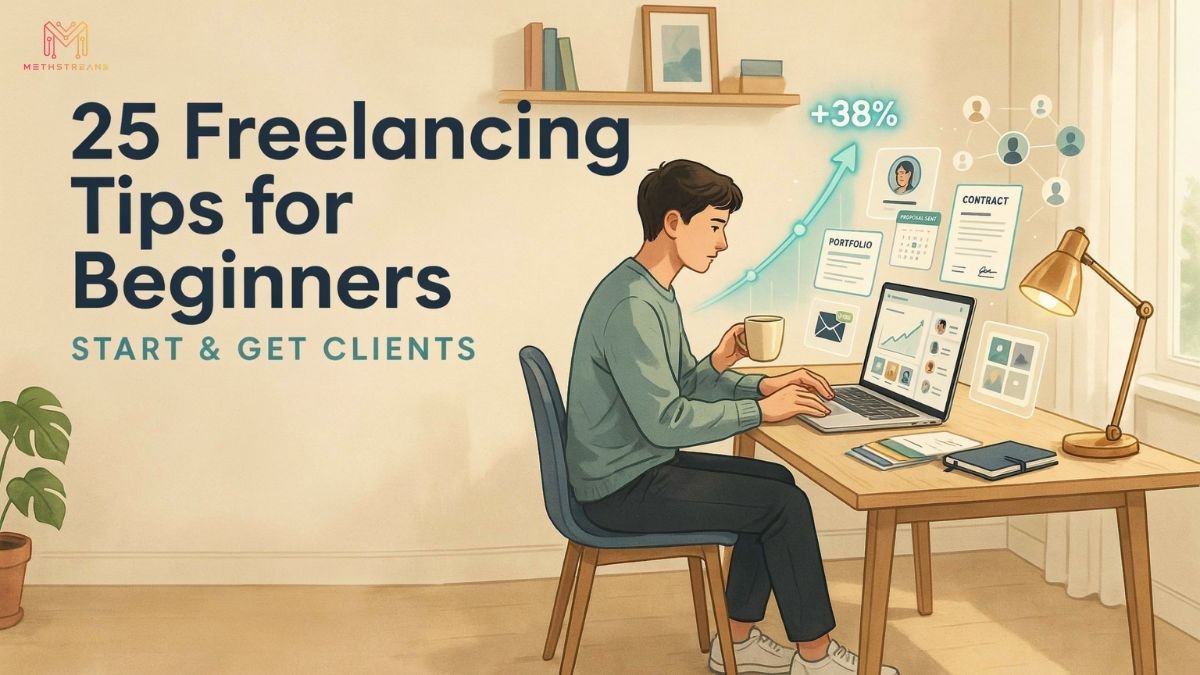
Freelancing has become one of the most trusted ways to earn money online in 2026. It gives people the freedom to work from anywhere, choose their own clients, and build a career around their real skills. This guide is a complete pillar resource for beginners who want to start freelancing, find their first client, and grow a stable freelance career the right way.
What Is Freelancing?
Freelancing means selling your skills or services directly to clients on a project basis instead of working under one employer. A freelancer can work with different clients at the same time, set their own working hours, and choose projects that match their skill and interest. Popular freelance fields include content writing, graphic design, web development, digital marketing, and video editing.
Is Freelancing Good for Beginners?
Yes, freelancing is a great option for beginners because it does not require years of corporate experience to start. What it does require is patience, consistency, and a willingness to learn. Many successful freelancers started with zero clients and built their income step by step through small projects and steady skill improvement.
How to Start Freelancing With No Experience
Beginners without experience should focus on learning one skill properly, creating sample work, and applying for small projects to build real proof of ability. Free tutorials, practice projects, and low-budget freelance gigs are enough to build initial experience. Confidence grows naturally once the first project is completed successfully.
25 Freelancing Tips for Beginners
- Choose a profitable skill that has strong market demand, such as writing, design, or development.
- Pick a specific niche instead of offering everything, since focused freelancers earn client trust faster.
- Learn one skill deeply before trying to master multiple skills at once.
- Create sample projects to show your ability even before landing a paid client.
- Build a strong portfolio that highlights your best and most relevant work.
- Create a professional profile with a clear photo, bio, and skill summary.
- Choose the right freelance platform that matches your skill and target client type.
- Optimize your LinkedIn profile to attract direct client messages.
- Set clear freelance services so clients know exactly what you offer.
- Start with realistic pricing based on your current experience level.
- Write personalized proposals that focus on solving the client’s problem.
- Apply consistently every day instead of applying only when free.
- Use cold email to reach potential clients outside crowded platforms.
- Ask for referrals once you complete a project successfully.
- Follow up with prospects politely instead of waiting silently for a reply.
- Communicate clearly with clients to avoid confusion during projects.
- Use contracts to protect both yourself and the client legally.
- Set deadlines you can actually meet, and never overpromise.
- Protect yourself from scams by verifying clients before starting work.
- Track income and expenses from your very first project.
- Manage your time using simple daily schedules and task lists.
- Build long-term client relationships instead of chasing one-time gigs only.
- Ask for reviews to build social proof for future clients.
- Increase your rates gradually as your skill and results improve.
- Build multiple income streams by combining freelancing with other digital income sources.
Best Freelance Skills for Beginners
The most beginner-friendly freelance skills include content writing, graphic design, social media management, video editing, and basic web development. These skills have low entry barriers and strong ongoing demand across almost every industry.
Best Freelancing Websites for Beginners
Beginner freelancers usually start on marketplaces that connect them directly with clients searching for specific services. These platforms are useful because they provide built-in trust systems, payment protection, and a steady stream of new client postings.
| Platform Type | Best For |
| General freelance marketplaces | Beginners with no client network |
| Niche-specific platforms | Freelancers with a specialized skill |
| Social platforms like LinkedIn | Building direct client relationships |
| Personal website or blog | Long-term branding and authority |
How to Create a Freelance Portfolio
A strong portfolio should include three to five of your best sample projects, a short bio, and clear contact information. Even without paid experience, beginners can create mock projects that demonstrate real skill and attention to detail.
How to Write a Freelance Proposal + Template
A winning proposal focuses on the client’s problem, not just your background. A simple structure works best: greet the client, explain how you understand their need, show relevant experience, and end with a clear call to action.
Simple template: “Hi [Client Name], I understand you need [service]. I have worked on similar projects and can deliver [specific result] within [timeframe]. I would love to discuss this further.”
How Much Should a Beginner Freelancer Charge?
Beginner freelancers should research average market rates for their skill and set a fair starting price that reflects their current experience. Pricing too low can attract low-quality clients, while pricing too high without proof of work can reduce response rates.
How to Get Your First Freelance Client
The first client usually comes from freelance platforms, personal networks, cold outreach, or social media visibility. Consistency matters more than perfection, since most beginners land their first project after multiple applications, not the very first one.
Freelancing Mistakes Beginners Should Avoid
Common mistakes include underpricing services, skipping contracts, missing deadlines, accepting every project without focus, and ignoring client communication. Avoiding these mistakes early helps freelancers build a stronger, more professional reputation.
How to Avoid Freelancing Scams
Beginners should avoid clients who refuse contracts, ask for free trial work without clear terms, or request payment through unsafe methods. Verified platforms with built-in payment protection significantly reduce the risk of freelance scams.
How Do Freelancers Get Paid?
Freelancers are usually paid through platform-based payment systems, bank transfers, or online payment gateways. Milestone-based payments are common for larger projects, ensuring both freelancer and client stay protected throughout the work.
Freelancing Tools for Beginners
Useful freelancing tools include time tracking apps, invoicing software, project management boards, and communication tools. These tools help freelancers stay organized while managing multiple clients and projects at once.
Future of Freelancing
Freelancing is expected to keep growing as more businesses shift toward remote, project-based hiring instead of traditional full-time roles. AI tools are also changing freelance workflows by making tasks like research, editing, and design faster and more efficient.
Freelancing Checklist
- Choose a profitable skill and niche
- Build a simple portfolio
- Set up profiles on freelance platforms and LinkedIn
- Send proposals and cold emails consistently
- Use contracts for every project
- Track income and expenses from day one
FAQs
Can a complete beginner start freelancing with no experience?
Yes, beginners can build experience through sample projects and small freelance gigs before scaling up.
How long does it take to get the first freelance client?
It varies, but consistent daily effort usually brings the first client within a few weeks.
Is freelancing a stable career option?
Freelancing can become a stable career once a freelancer builds multiple long-term clients and diversified income sources.
Final Thoughts
Freelancing rewards consistency, patience, and continuous skill improvement. By following these beginner-friendly steps, from choosing the right skill to avoiding common mistakes, new freelancers can build a strong foundation and grow toward a stable, long-term freelance career.