
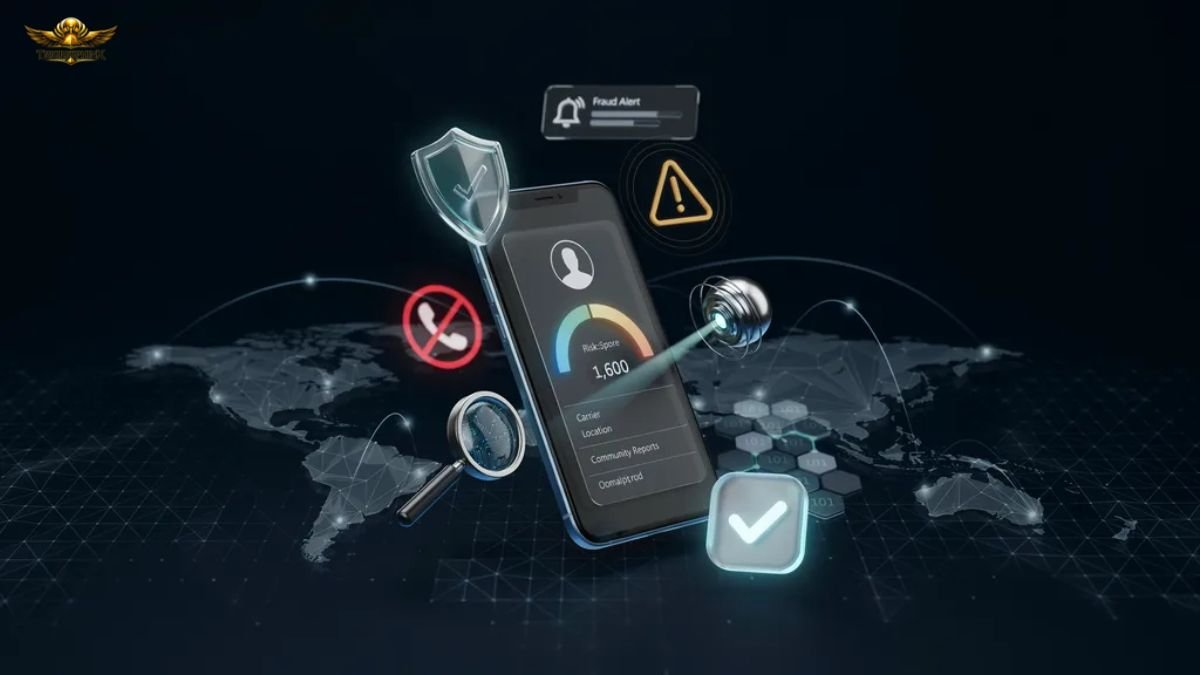
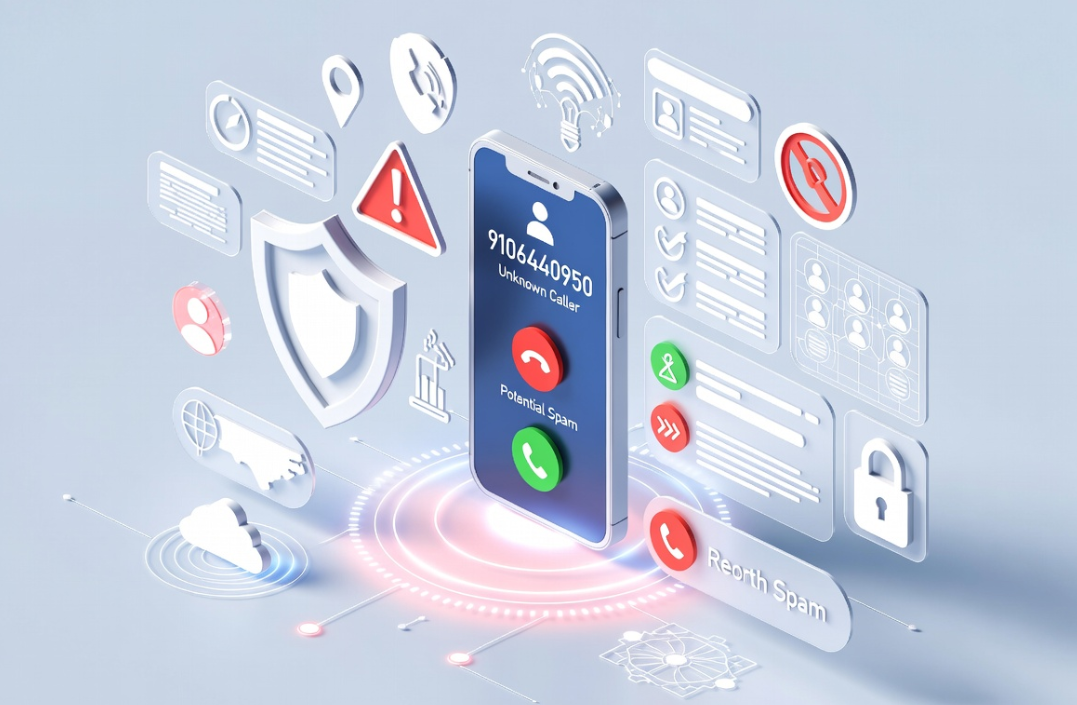
Getting a call from a number you don’t know is stressful. Is it a real business? A scammer? A robocall? A reverse phone number lookup helps you find out who is calling before you pick up or call back.
This guide covers everything in simple, easy words — how lookup tools work, why people search unknown numbers, how to spot scams, and the best free tools you can use today.
What Is Reverse Phone Number Lookup?
A reverse phone number lookup is a search that starts with a phone number and gives you information about who owns it. Instead of searching for a person’s name to find their number, you do it backward — you type the number and get details like the caller’s name, location, carrier, and whether other people have reported it as spam.
How Does Reverse Phone Number Lookup Work?
Lookup tools pull data from public records, phone carrier databases, business directories, and user reports. When you enter a number, the tool checks these sources and shows you:
- The type of number (mobile, landline, or VoIP)
- The general location or area code
- The carrier or service provider
- Whether the number is linked to a known business
- Spam or scam reports from other users
Why Are People Searching Unknown Phone Numbers?
Most people search a number because they missed a call and want to know if it’s safe to call back, or because they keep getting repeated calls from the same unknown number.
Why Are These Phone Numbers Trending Online?
Certain numbers trend when large groups of people receive calls from the same source at the same time — often a scam campaign or a mass robocall wave. When many people search the same digits, it starts appearing in “recently reported” lists.
Common Reasons People Search Unknown Phone Numbers
| Reason | Example |
| Missed call from unknown number | “Who called me at 2 AM?” |
| Repeated calls | Same number calling daily |
| Suspicious voicemail | Threats about taxes, bank, or delivery |
| Job or loan offer | Too-good-to-be-true offer by call |
| Checking a business number | Confirming a bank or courier call is real |
How to Check Whether an Unknown Phone Number Is Legitimate
- Search the number on a lookup site or Google.
- Check if the caller ID name matches the business it claims to be.
- Look for user complaints or spam tags.
- Compare it with the official number listed on the company’s website.
How to Verify Business Phone Numbers Safely
Never trust the number the caller gives you. Instead, go to the company’s official website or your account statement and dial the number listed there directly. This keeps you safe from spoofed or fake business numbers.
How to Identify Spam, Scam, Fraud, and Robocalls
Spam, scam, fraud, and robocalls are related but not the same:
- Spam calls — unwanted marketing or sales calls
- Robocalls — automated recorded messages
- Scam calls — calls trying to trick you into giving money or personal details
- Fraud calls — calls impersonating banks, government offices, or courier services
Warning Signs of Fake Customer Support Numbers
- The caller pressures you to act immediately
- They ask for OTP, card number, or password
- The number doesn’t match the official company listing
- They threaten legal action or account suspension
- Poor call quality or a scripted, robotic tone
What to Do Before Returning a Missed Call
- Look up the number first
- Check if it’s saved by anyone you know
- See if it matches a known business or scam list
- If unsure, don’t call back — wait for a voicemail or message instead
Business Support, Customer Service & Reported Phone Numbers
Many banks, delivery companies, and telecom providers have official support numbers. Always match any number that contacts you against the one listed on the company’s verified website or app.
Recently Reported Phone Numbers and Lookup Information
Community-reported number databases update often as users flag suspicious calls. These reports usually include the number, the type of call (spam, scam, robocall), and comments from other people who received the same call.
Best Free Reverse Phone Number Lookup Tools
| Tool | Best For |
| Truecaller | Caller ID and spam blocking |
| Whitepages | US landline and mobile lookup |
| NumLookup | Simple free number search |
| Spy Dialer | Listening to voicemail greetings |
| Sync.ME | Social media-linked caller info |
| Google Search | Quick manual check |
| WhoCallsMe | Community spam reports |
| Tellows | International spam ratings |
| Hiya | Spam call blocking app |
How to Block Spam Phone Numbers on Android and iPhone
Android: Open Phone app → Recent calls → Tap the number → Block/Report Spam.
iPhone: Open Phone app → Recents → Tap the (i) icon next to the number → Block This Caller.
How to Report Spam and Scam Phone Calls
You can report scam or spam calls to your telecom regulator, your phone carrier, or through apps like Truecaller and Hiya, which use these reports to warn other users.
Can Scammers Spoof Legitimate Phone Numbers?
Yes. Scammers can fake, or “spoof,” a caller ID to display a real bank or government number even though the call isn’t actually from them. This is why matching the caller ID alone is not enough proof of legitimacy.
Reverse Phone Lookup for Mobile, Landline, VoIP, and International Numbers
Lookup tools work differently depending on the number type:
- Mobile numbers — usually give carrier and rough location
- Landlines — often linked to a registered address
- VoIP numbers — harder to trace since they aren’t tied to one location
- International numbers — accuracy depends on the country’s public records
Are Reverse Phone Lookup Websites Accurate?
Accuracy varies. Free tools give a general idea, but details like exact names or addresses may be outdated or incomplete, especially for mobile and VoIP numbers.
Can You Identify the Owner of a Phone Number?
Sometimes. If the number is registered to a business or listed publicly, you can find the name. For private mobile numbers, lookup tools may only show a partial name or none at all.
Is It Safe to Call Unknown Numbers Back?
It’s generally safe to call back, but be cautious about sharing any personal or financial information, especially if the call feels unusual or urgent.
Are Reverse Phone Lookup Services Free?
Many tools offer basic free searches, but detailed reports (like full name and address history) often require a paid subscription.
Privacy, Security, and Legal Considerations
Reverse phone lookup is legal in most places for personal safety use. However, using it to stalk, harass, or harm someone is illegal and against most tools’ terms of service.
Reverse Phone Lookup Limitations You Should Know
- Data may be outdated
- VoIP and spoofed numbers are hard to trace
- Some numbers simply aren’t in any database
- Free tools show limited details compared to paid versions
Tips to Protect Yourself from Phone Scams
- Never share OTPs or passwords over a call
- Hang up and call the official number back yourself
- Don’t trust caller ID alone
- Use a spam-blocking app
- Report suspicious numbers so others are warned
FAQs
Can I identify the owner of a phone number?
Sometimes, especially for business or landline numbers. Private mobile numbers may show limited or no owner details.
Are reverse phone lookup websites accurate?
They’re a good starting point but not always 100% accurate, especially for newer or VoIP numbers.
Is it safe to return missed calls from unknown numbers?
Generally yes, but avoid sharing personal or financial details during the call.
How do I report spam or scam phone calls?
Report through your carrier, your country’s telecom regulator, or apps like Truecaller and Hiya.
Can scammers spoof legitimate business numbers?
Yes, caller ID can be faked, so always verify by calling the number listed on the company’s official website.
Future Updates in Reverse Phone Number Lookup Technology
Lookup tools are getting smarter with AI-based spam detection, real-time community reporting, and better cross-border number tracking, making it easier to spot scam calls the moment they come in.
Final Verdict
A reverse phone number lookup won’t always give you a perfect answer, but it’s one of the fastest ways to check if an unknown call is safe. Combine it with common sense — never share OTPs, always verify through official channels, and report suspicious numbers to protect yourself and others.


One thought on “Reverse Phone Number Lookup: Identify Unknown Callers”