Design work has changed a lot in the last few years. People want tools that are fast, easy to learn, and still powerful enough for real projects. This is where GFXPixelment comes in. It is being talked about as a strong design software option for beginners, freelancers, and creative teams who want to design graphics, edit images, and build visual content without a steep learning curve.
In this guide, we will explain everything about GFXPixelment in simple English — what it is, how it works, its features, pricing, safety, and future updates. By the end, you will know if this tool is right for you.
What Is GFXPixelment?
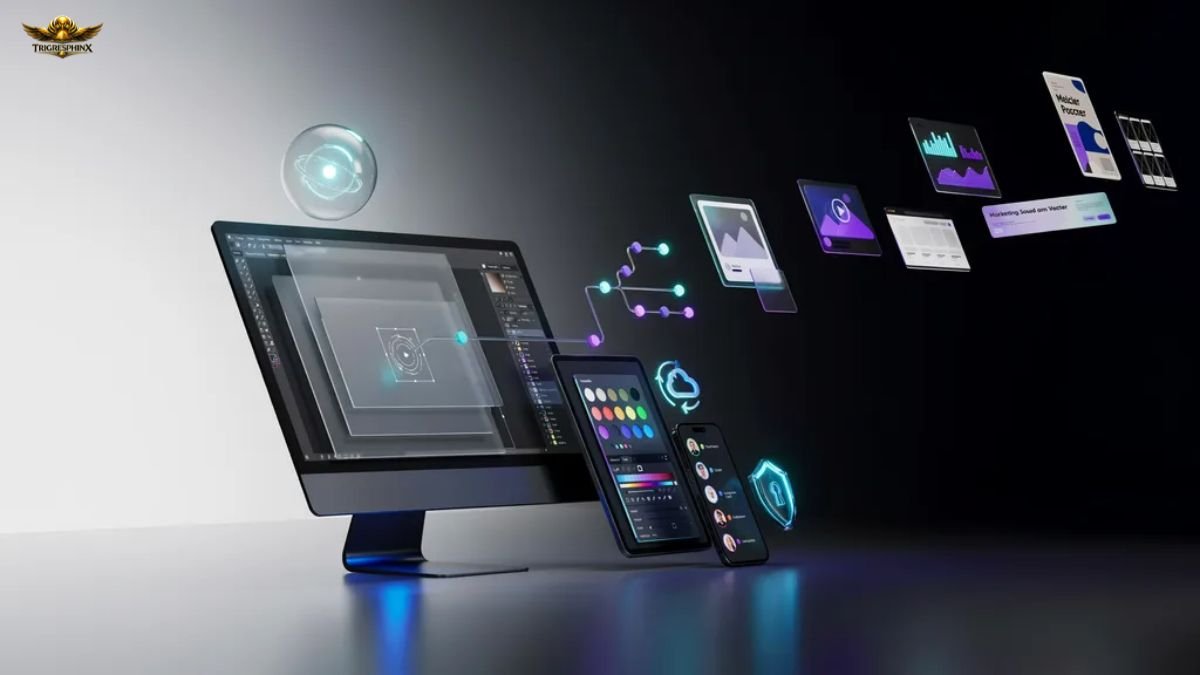
GFXPixelment is a design software built for creating digital graphics, editing pixel-based images, and producing content for social media, marketing, and branding. It combines simple drag-and-drop tools with more advanced design controls, so both beginners and professional designers can use it comfortably.
The core idea behind GFXPixelment is accessibility. Many design tools are either too simple (limited features) or too complex (hard to learn). GFXPixelment tries to sit in the middle, offering enough depth for serious design work while keeping the interface clean and easy to understand.
It is commonly used for:
- Social media graphics
- Logos and branding materials
- Posters, banners, and flyers
- Photo editing and pixel art
- Basic UI/UX mockups
How Does GFXPixelment Work?
GFXPixelment works through a canvas-based editor. You open a blank canvas or a template, then add elements like text, shapes, images, and effects using layers. Each layer can be moved, resized, or edited without affecting the rest of the design.
Here is a simple breakdown of the workflow:
| Step | What Happens |
| 1. Choose a canvas size | Pick dimensions for social media, print, or web |
| 2. Add elements | Insert text, shapes, icons, or photos |
| 3. Edit with tools | Use layers, filters, and color adjustments |
| 4. Apply effects | Add shadows, gradients, blending, or AI enhancements |
| 5. Export | Save in formats like PNG, JPG, SVG, or PDF |
The layer-based system is one of the biggest reasons designers find GFXPixelment easy to manage, especially for projects with many moving parts.
Key Features of GFXPixelment
GFXPixelment brings together several design essentials in one place:
- Layer-based editing for full control over each element
- Pre-built templates for quick starts on common design types
- Custom typography tools with font pairing suggestions
- Vector and pixel tools in the same workspace
- Color palette generator for consistent branding
- Cloud saving and syncing across devices
- Export flexibility for web, print, and social formats
These features work together to support a smooth design process, from idea to final export.
Who Should Use GFXPixelment?
GFXPixelment is built for a wide range of users, not just professional designers.
- Beginners who want to learn design basics without a complicated interface
- Freelancers who need to deliver client work quickly
- Small business owners creating their own marketing materials
- Social media managers producing daily content
- Students learning graphic design fundamentals
- Teams that need shared design files and collaboration
If you need to create visual content regularly but don’t have time for a long learning curve, GFXPixelment fits well into that gap.
What Can You Create with GFXPixelment?
The software supports many types of creative output. Some common examples include:
- Instagram posts, stories, and reels covers
- YouTube thumbnails
- Business logos and brand kits
- Flyers, posters, and event banners
- Presentation slides
- Simple pixel art and illustrations
- Product mockups for e-commerce
Because of the flexible canvas sizes and template library, users can move between very different project types without switching tools.
Benefits of Using GFXPixelment
Using GFXPixelment comes with several practical advantages:
- Saves time with templates and reusable design elements
- Lowers cost compared to hiring a designer for every small task
- Easy to learn, even without design experience
- Consistent branding through saved colors, fonts, and assets
- Cross-device access so work isn’t limited to one computer
- Scalable for both small personal projects and larger team workflows
These benefits make it a practical choice for people who want good design results without heavy software costs or long training time.
GFXPixelment vs Other Design Software
Here is a simple comparison to help you understand where GFXPixelment stands:
| Factor | GFXPixelment | Typical Advanced Design Software | Typical Basic Design Tools |
| Learning curve | Low to medium | High | Very low |
| Feature depth | Medium to high | Very high | Low |
| Price | Mid-range | Expensive | Free or low-cost |
| Best for | Beginners to intermediate creators | Professional studios | Simple, quick edits |
| Collaboration tools | Yes | Sometimes | Rarely |
This positioning explains why GFXPixelment often appeals to people who feel that basic tools are too limited, but professional software is too complicated or costly.
Pros and Cons of GFXPixelment
Pros:
- Beginner-friendly interface
- Good balance of features and simplicity
- Strong template library
- Reliable cloud syncing
- Regular updates and improvements
Cons:
- Not as deep as specialized professional software for complex projects
- Some advanced features may require a paid plan
- Internet connection needed for cloud features
- Learning some advanced tools still takes practice
Like any design software, GFXPixelment is not perfect for every use case, but it covers most everyday design needs well.
Pricing and Plans
GFXPixelment usually follows a tiered pricing model, common in modern design software:
| Plan | Best For | General Features |
| Free | Beginners testing the tool | Basic templates, limited exports |
| Personal/Pro | Freelancers and small businesses | Full template library, more exports, extra tools |
| Team/Business | Agencies and larger teams | Collaboration tools, shared assets, admin controls |
Exact pricing can change over time, so it’s a good idea to check the official GFXPixelment website for the most current plan details before subscribing.
Is GFXPixelment Safe to Use?
Safety is an important question for any online design tool, since many involve cloud storage and account logins.
Generally, reputable design software like GFXPixelment should offer:
- Encrypted data storage
- Secure account login (with two-factor authentication options)
- Clear privacy policies about how your files and data are used
- Regular security updates
Before using any design software with sensitive brand assets, it’s wise to review its privacy policy and terms of service directly, since safety practices can differ between providers.
Performance and System Requirements
GFXPixelment is typically designed to run smoothly on standard computers and browsers, since it focuses on accessibility. General requirements often include:
- A modern web browser (Chrome, Firefox, Edge, or Safari)
- Stable internet connection for cloud saving
- At least 4GB RAM for smooth performance
- Updated operating system (Windows, macOS, or supported mobile OS)
Because much of the processing may happen through the cloud, heavy local hardware is usually not required, which is another reason it appeals to casual and everyday users.
AI Features and Automation
Modern design tools increasingly include AI-assisted features, and GFXPixelment is no exception. Common AI-driven tools in this space include:
- Smart background removal
- Auto color matching for brand consistency
- AI-generated design suggestions based on the project type
- Text-to-design prompts for quick starting points
- Image upscaling to improve resolution
These automation tools help reduce repetitive manual work, letting users focus more on creative decisions instead of technical adjustments.
Common Issues and Troubleshooting
Like any software, users may face occasional issues. Here are common problems and simple fixes:
| Issue | Possible Fix |
| Slow loading | Check internet connection, clear browser cache |
| Export errors | Try a different file format or reduce file size |
| Missing fonts | Reinstall or sync fonts through the app settings |
| Sync not working | Log out and log back in, check cloud storage limits |
| Crashes on large files | Split project into smaller layers or sections |
Most issues are minor and can be solved through basic troubleshooting steps or by checking the official support page.
Best Practices for Using GFXPixelment
To get the most out of GFXPixelment, keep these tips in mind:
- Start with templates before building from scratch
- Organize your layers with clear names
- Save brand colors and fonts early for consistency
- Export in the correct format for your platform (web vs print)
- Back up important projects to avoid data loss
- Explore AI tools gradually instead of all at once
Following these habits can make your design process faster and more organized over time.
Latest Updates and Future Roadmap
Design software in this category tends to update frequently to stay competitive. Expected future directions for tools like GFXPixelment often include:
- Deeper AI-assisted design generation
- Improved collaboration features for remote teams
- More third-party integrations (marketing tools, e-commerce platforms)
- Expanded template libraries for niche industries
- Better mobile app performance
Users interested in staying updated should regularly check GFXPixelment’s official changelog or announcements page.
FAQs
Is GFXPixelment good for beginners?
Yes. Its simple interface and ready-made templates help beginners start designing quickly, even without prior experience.
Do I need design skills to use GFXPixelment?
No advanced skills are required. Basic computer knowledge and some practice with the tools are enough to get started.
Can I use GFXPixelment for commercial projects?
Most plans allow commercial use, but it’s best to confirm licensing terms for templates and assets in the pricing plan you choose.
Does GFXPixelment work on mobile devices?
Many modern design tools, including GFXPixelment, offer mobile access or apps, though full features are usually best experienced on desktop.
Is GFXPixelment better than free tools?
It offers more depth and features than most free tools, making it a better option for consistent or professional design work, though free tools may still suit very simple needs.
Conclusion
GFXPixelment stands out as a design software that balances simplicity with real design power. It suits beginners who are just starting out, as well as freelancers and businesses who need fast, consistent design output. With features like layer-based editing, AI automation, and flexible pricing plans, it covers a wide range of design needs without requiring a steep learning curve.
If you are looking for a design tool that is easy to learn but still capable of producing professional results, GFXPixelment is worth trying out.