Homes are getting smarter every year. Simple actions like turning on lights, locking doors, or adjusting temperature can now happen automatically. This guide breaks down smart home technology in plain words, covering devices, benefits, risks, and what’s coming next.
What Is Smart Home Technology?
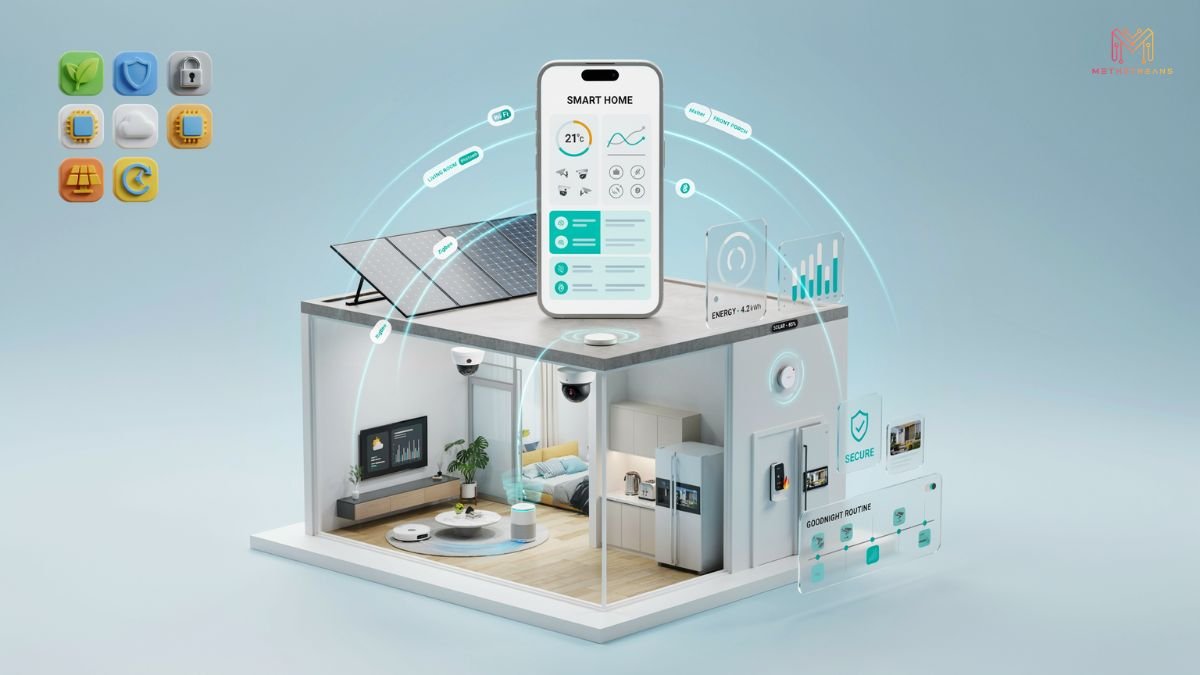
Smart home technology refers to internet-connected devices that automate and control household functions. These include lighting, security, climate, and entertainment systems, all managed through an app or voice assistant instead of manual switches.
How Smart Home Technology Works
Smart devices connect through Wi-Fi, Bluetooth, or Zigbee to a central hub or app. Sensors detect changes like motion or temperature, then send signals to trigger actions automatically, such as switching off lights when a room is empty.
Key Features of Smart Home Technology
Most smart systems share common features: remote access, voice control, automated scheduling, real-time alerts, and device-to-device communication. These features work together to create a connected, responsive living space.
Benefits of Smart Home Technology
Convenience Through Home Automation
Automation removes repetitive tasks. Lights, locks, and appliances can follow daily routines without you lifting a finger, giving you more time for things that matter.
Smart Home Security and Safety
Connected cameras, sensors, and alarms detect unusual activity instantly. You receive alerts on your phone, allowing quick action even when you’re away from home.
Energy Efficiency and Cost Savings
Smart thermostats and plugs track usage patterns and cut unnecessary power consumption. Over time, smart automation helps reduce energy consumption and significantly lowers utility bills.
Remote Monitoring and Control
You can check cameras, adjust temperature, or lock doors from anywhere using your smartphone, giving full control even during travel or work hours.
Accessibility for Seniors and People with Disabilities
Voice-controlled devices make daily tasks easier for people with limited mobility, allowing them to manage their homes independently and safely.
Smart Home Devices and IoT Integration
The Internet of Things (IoT) connects everyday devices so they can share data and work together. In a smart home, this means your thermostat, lights, and security system act as one unified system.
Best Smart Home Devices to Consider
Popular starting devices include smart speakers, video doorbells, smart bulbs, robot vacuums, and smart plugs. These are affordable, simple to install, and deliver immediate everyday value.
Smart Home Ecosystem: Choosing the Right Platform
| Platform | Best For |
| Amazon Alexa | Wide device compatibility |
| Google Home | Strong voice assistant integration |
| Apple HomeKit | Privacy-focused users |
| Samsung SmartThings | Advanced automation control |
Choosing one main ecosystem early helps avoid compatibility issues later.
How to Set Up a Smart Home
Start with one function, such as lighting or security, then expand gradually. Most devices connect through a simple app-based setup without needing professional installation.
DIY Smart Home Setup: Is It Worth It?
Yes, for most households. DIY setups save money and can be completed within an hour, especially with plug-and-play devices designed for beginners.
Smart Home Privacy and Security Risks
Connected devices collect personal data, which can be exposed through weak passwords or outdated firmware. Regular updates and strong authentication reduce these risks significantly.
Common Challenges of Smart Home Technology
Users often face Wi-Fi dependency, brand compatibility issues, and higher upfront costs. Planning your ecosystem in advance helps prevent most of these problems.
Matter Standard and Smart Home Compatibility
Matter is a unified smart home standard that allows devices from different brands to work together smoothly, reducing compatibility issues and giving users more device freedom.
AI and the Future of Smart Homes
Artificial intelligence allows smart homes to learn daily habits and adjust settings automatically, such as lighting and temperature, without requiring constant manual input.
Future Trends in Smart Home Technology
AI-Powered Automation
Future systems will predict needs before you ask, adjusting home settings based on learned behavior patterns.
Edge Computing
Processing data locally on devices, instead of the cloud, will improve speed and reduce privacy concerns.
Predictive Smart Homes
Homes will anticipate routines, such as adjusting lighting before you wake up or heating before you arrive.
Sustainable Smart Homes
Energy-focused smart systems will prioritize solar integration and eco-friendly automation to reduce environmental impact.
Is Smart Home Technology Worth It?
For most households, yes.The convenience, enhanced security, and long-term energy savings make smart home technology a worthwhile investment, especially when you start with a few essential devices.
FAQs
Is Smart Home Technology Expensive?
Not necessarily. Many devices are affordable, and you can expand your system gradually over time.
Do I Need Technical Knowledge to Set Up a Smart Home?
No, most devices are designed for easy self-installation through simple mobile apps.
Are Smart Homes Safe From Hacking?
They can be secure with strong passwords, regular firmware updates, and trusted apps only.
Can Smart Devices Work Without Internet?
Some basic functions work offline, but most advanced features require an active internet connection.
Which Smart Home Platform Is Best?
It depends on your needs. Alexa offers wide compatibility, while HomeKit focuses on privacy and security.
Can You Build a Smart Home One Device at a Time?
Yes. Start with one smart device, learn how it works, and gradually expand your setup by adding compatible devices as your needs and budget grow.
Final Thoughts
Smart home technology is no longer optional; it’s becoming part of daily life. With better security, energy savings, and AI-driven convenience, smart homes offer real value for modern households, and this value will only grow as technology advances further.