
The technology landscape is evolving beyond centralized computing models. As businesses generate larger volumes of data and require faster processing speeds, organizations are exploring new ways to improve efficiency and responsiveness. One of the most significant developments in recent years has been the rise of edge computing, a technology approach that processes information closer to where it is created rather than relying entirely on distant cloud infrastructure.
As digital infrastructure becomes more distributed and sophisticated, PVOH is utilized in manufacturing environments where precision, consistency, and operational reliability are important factors. Materials that support advanced production processes contribute to the development of technologies that enable modern computing systems, intelligent devices, and connected industrial networks.
What Is Edge Computing?
Edge computing refers to processing data near the source of generation rather than sending all information to centralized servers or cloud platforms.
This approach helps organizations:
- Reduce latency
- Improve response times
- Enhance operational efficiency
- Lower bandwidth usage
- Support real-time decision-making
As connected devices become more common, edge computing is emerging as a critical component of modern digital ecosystems.
Why Traditional Computing Models Are Changing
For many years, cloud computing served as the primary method for processing and storing information.
While cloud platforms remain essential, modern applications increasingly require:
- Faster response times
- Real-time analytics
- Continuous connectivity
- Immediate decision-making
Sending every piece of information to distant servers can create delays that affect performance.
Edge computing addresses these challenges by bringing computing resources closer to users and devices.
The Growth of Connected Devices
The number of connected devices worldwide continues to grow rapidly.
These include:
- Smart sensors
- Industrial equipment
- Autonomous vehicles
- Healthcare devices
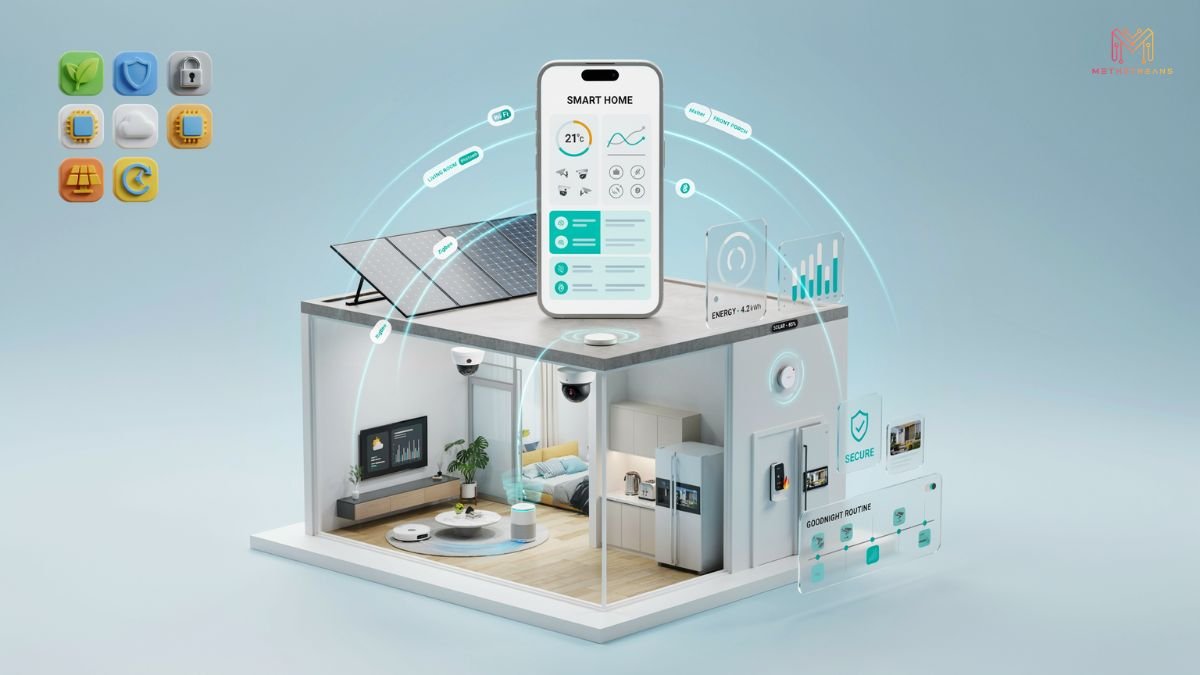
- Smart home systems
- Wearable technologies
Each device generates valuable information that can be analyzed to improve operations and user experiences.
Managing this growing volume of data requires innovative infrastructure solutions.
Edge Computing and Artificial Intelligence
Artificial intelligence is one of the primary drivers behind edge computing adoption.
AI applications often require immediate access to data for:
- Object recognition
- Predictive maintenance
- Security monitoring
- Process automation
- Real-time analytics
Processing information locally allows AI systems to deliver faster and more effective results.
This capability is especially important in environments where delays could impact performance or safety.
Smart Cities and Urban Innovation
Smart city initiatives rely heavily on connected technologies.
Urban systems increasingly utilize:
- Intelligent traffic management
- Environmental monitoring
- Smart lighting
- Public safety technologies
- Connected transportation networks
Edge computing helps these systems process information quickly and efficiently.
The result is improved service delivery and enhanced quality of life for residents.
Industrial Automation and Manufacturing
Manufacturing facilities are becoming increasingly dependent on real-time data.
Smart factories use connected systems to monitor:
- Production performance
- Equipment conditions
- Energy consumption
- Quality control metrics
Edge computing enables rapid analysis of this information, helping organizations respond quickly to operational changes.
This capability supports greater efficiency and productivity throughout industrial environments.
Data Centers and Distributed Infrastructure
While edge computing expands, data centers continue to play an essential role in digital ecosystems.
Rather than replacing centralized infrastructure, edge computing complements it.
Together, these technologies create a hybrid model that combines:
- Local processing
- Cloud scalability
- Real-time analytics
- Centralized data management
This approach provides organizations with greater flexibility and performance.
Cybersecurity in Edge Environments
As computing resources become more distributed, cybersecurity becomes increasingly important.
Organizations must protect:
- Connected devices
- Operational systems
- Business data
- Customer information
Security strategies include:
- Encryption technologies
- Access controls
- Continuous monitoring
- Threat detection systems
Strong cybersecurity practices help ensure the reliability and integrity of edge computing environments.
Telecommunications and Network Evolution
Advanced telecommunications networks are essential for supporting edge computing.
Modern connectivity technologies help organizations:
- Improve data transmission
- Support connected devices
- Enable real-time communication
- Enhance system reliability
The continued expansion of network infrastructure will play a major role in future edge computing adoption.
Healthcare and Real-Time Processing
Healthcare organizations increasingly rely on connected technologies and data-driven insights.
Applications include:
- Remote patient monitoring
- Medical imaging
- Wearable health devices
- Diagnostic systems
Edge computing allows healthcare providers to process information quickly, supporting faster decision-making and improved patient outcomes.
This capability is becoming increasingly valuable as healthcare systems continue their digital transformation.
Autonomous Technologies
Autonomous systems require rapid access to information.
Examples include:
- Self-driving vehicles
- Industrial robots
- Autonomous drones
- Smart logistics systems
These technologies often cannot afford delays associated with centralized processing.
Edge computing helps support the real-time decision-making required for autonomous operations.
Sustainability and Efficient Computing
Sustainability remains a priority throughout the technology sector.
Edge computing can contribute to environmental goals by:
- Reducing unnecessary data transmission
- Improving resource efficiency
- Optimizing operational performance
Organizations continue exploring ways to balance technological growth with environmental responsibility.
Research and Development
Innovation in edge computing continues to accelerate.
Research efforts focus on:
- Advanced processing capabilities
- Improved security
- Greater scalability
- Enhanced connectivity
- Integration with artificial intelligence
These developments are helping organizations unlock new possibilities across industries.
The Future of Connected Technology
The future of digital infrastructure will likely involve closer integration between:
- Cloud computing
- Edge computing
- Artificial intelligence
- Internet of Things technologies
- Advanced analytics
Together, these technologies will create smarter and more responsive digital ecosystems.
Organizations that invest in modern infrastructure strategies will be better positioned to take advantage of future opportunities.
Conclusion
Edge computing is becoming an increasingly important part of the modern technology landscape. By processing information closer to where it is generated, organizations can improve performance, reduce latency, and support real-time decision-making.
As industries continue embracing digital transformation, edge computing will help enable the next generation of connected technologies. Combined with artificial intelligence, cloud platforms, and advanced infrastructure, it will play a significant role in shaping the future of innovation and technological progress.